

Magnetic resonance imaging of the brain
This method is considered as “Gold Standard” for brain examination, which allows you to identify and differentiate tumors, neurodegenerative, demyelinating, infectious and inflammatory processes, paralysis (stroke), hemorrhage and other pathological conditions. The introduction of a contrast agent that does not contain iodine and is harmless in small doses also plays a very important role in […]
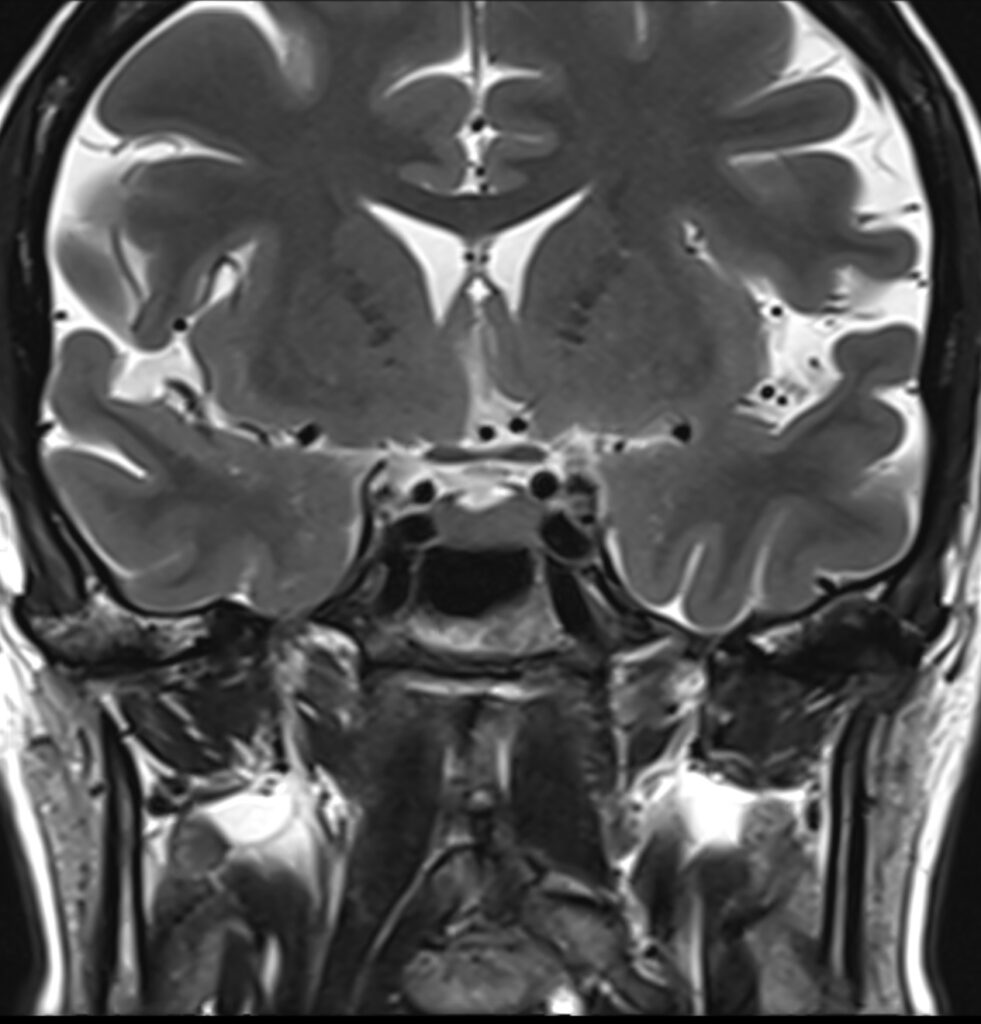
Magnetic resonance imaging of the pituitary gland
MRI study can detect even the smallest adenomas and other volumetric formations, cysts, as well as pituitary hemorrhages. MRI indications: • hyperprolactinemia • endocrine disorders • acromegaly, dwarfism • visual impairment • headache, etc…
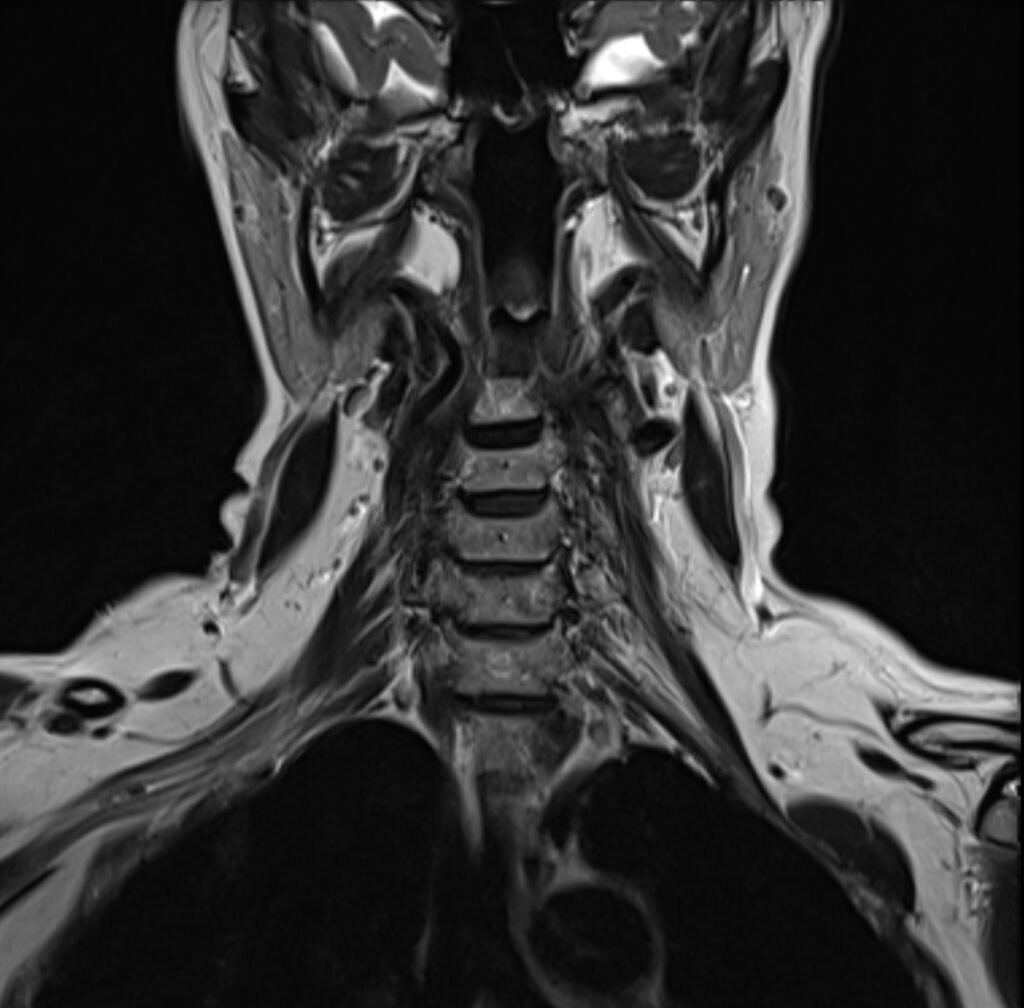
MRI of neck soft tissues
This method allows us to describe the condition of muscles, ligaments, adipose tissue, fascias. The area of study includes the throat, trachea, blood vessels, salivary glands, vocal cords, lymph nodes, thyroid gland, etc. MRI indications: • Detected pathologies using ultrasound or other methods that require a more detailed examination • Voice changes • Painful swallowing […]
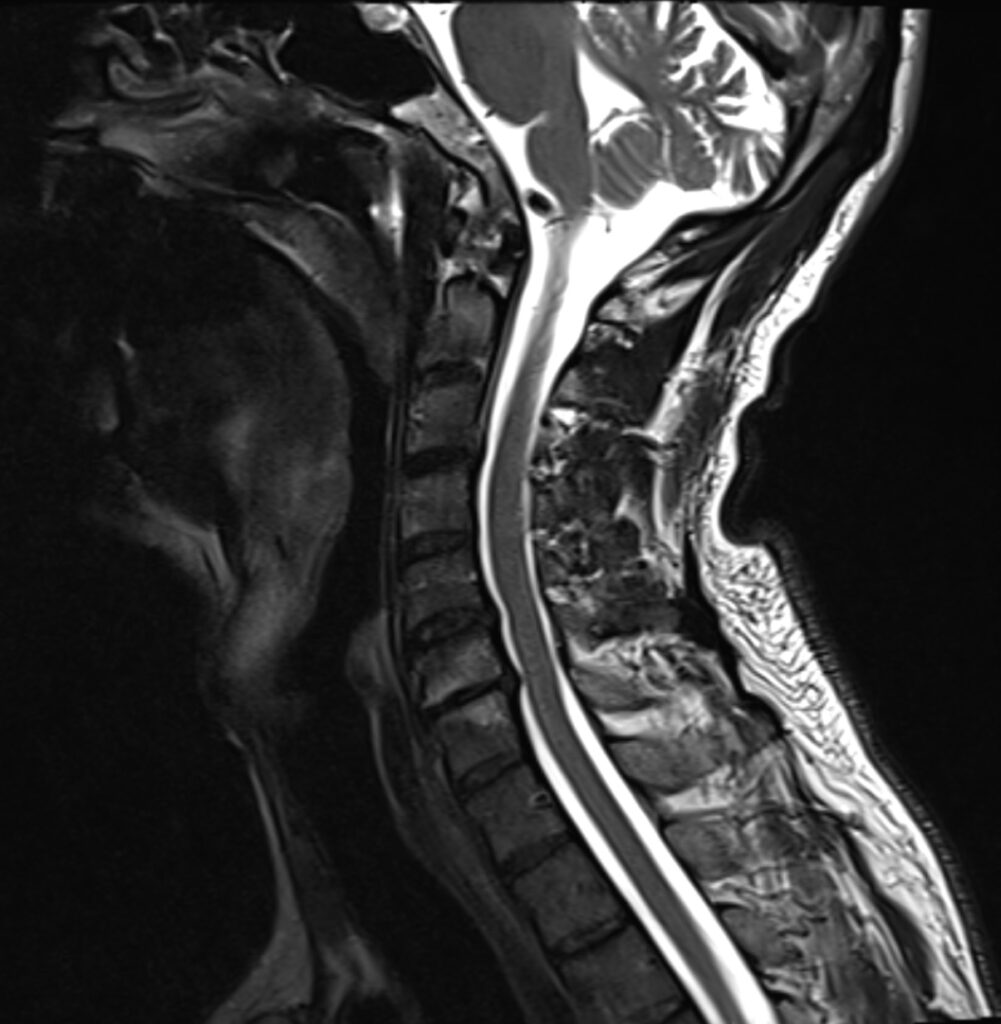
MRI of cervical spine
MRI of the cervical spine is the most informative and safe method that allows you to determine pathologies such as: • Pathologies of the spinal cord (volumetric formations, infectious, demyelinating, metabolic, degenerative and other changes); • Hernias and protrusions of intervertebral discs • Post-traumatic changes; • Congenital malformations MRI indications: • Numbness in fingers • […]

MRI of thoracic spine
MRI of the thoracic spine is the most informative and safe method, allowing to identify such pathologies as: • Pathologies of the spinal cord (volumetric formations, infectious-inflammatory, demyelinating, metabolic, degenerative other changes); • Hernias and protrusions of intervertebral discs; • Post-traumatic changes; • Congenital malformations MRI indications: • Numbness in fingers • Pain around the […]
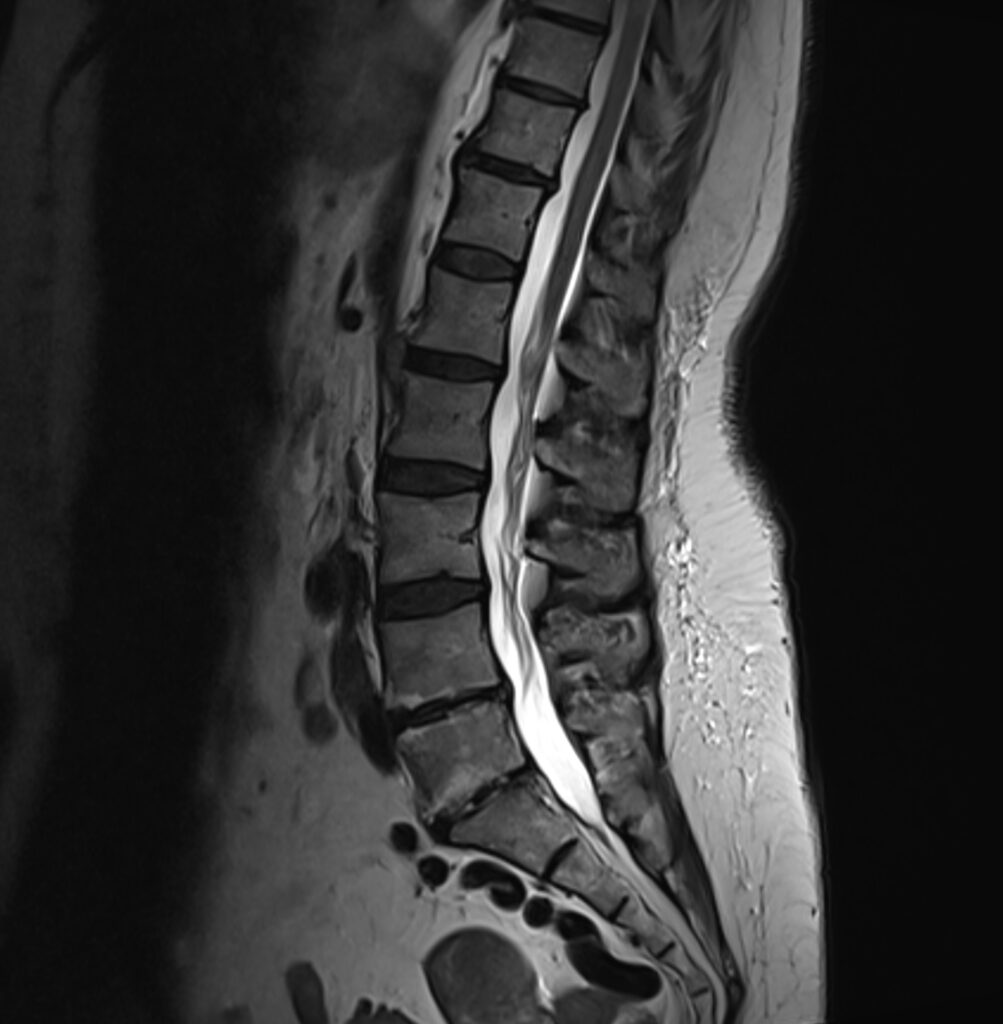
MRI of the lumbar spine
MRI examination of the lumbar spine is the most informative method for diagnosing herniated intervertebral discs, congenital malformations of the spine, tumors and inflammatory processes. It also plays a significant role in describing post-traumatic changes. MRI indications: • Pain in the lumbar region (eg, radiating to the lower extremities) • Numbness, weakness in the lower […]

MRI of the abdomen and retroperitoneum
This is a method for examining the liver, gallbladder, bile ducts, spleen, kidneys, adrenal glands, and pancreas. MRI plays a significant role not only in the assessment of primary oncological lesions of the abdominal organs but also in the detection of secondary foci in the abdominal cavity and retroperitoneal space, in the case of oncological […]
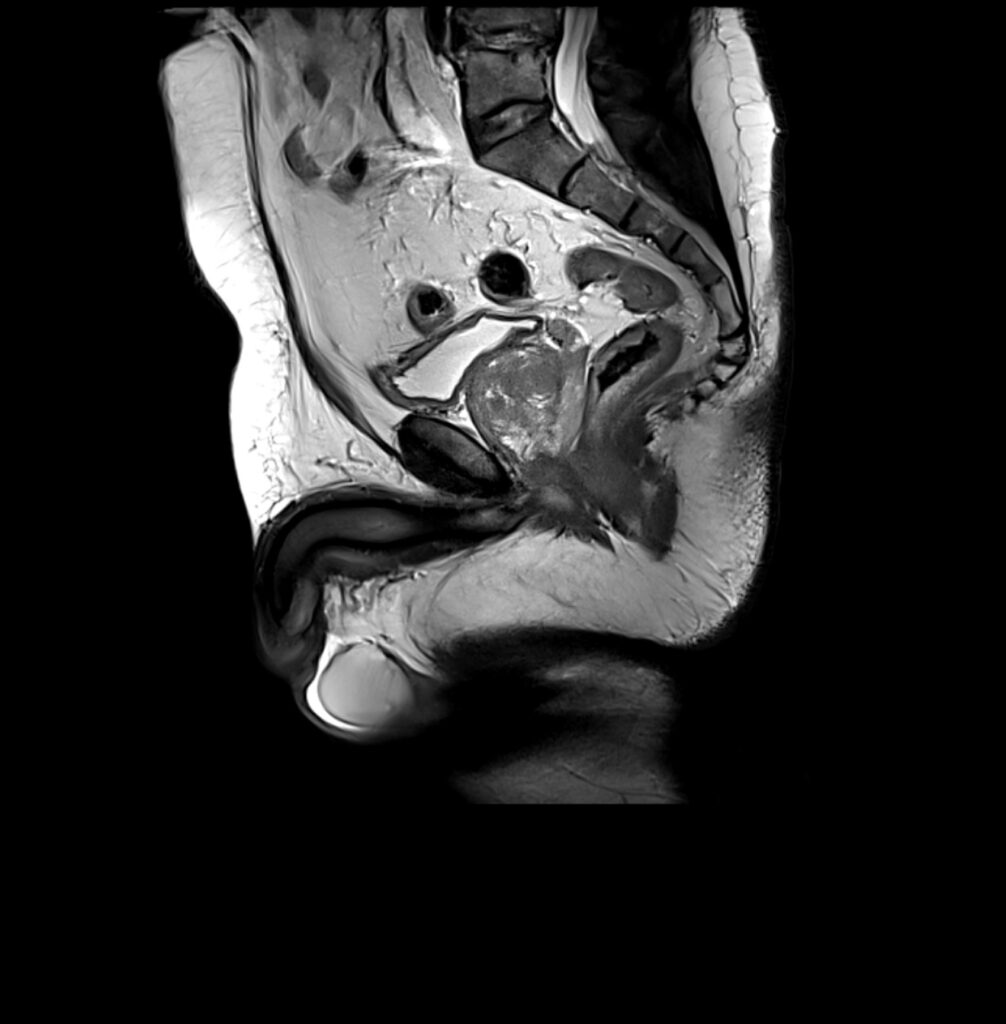
Multiparametric MRI of the prostate
Multiparametric MRI examination of the prostate is an informative non-invasive method that allows to assess the internal structure of the prostate, distinguish the character of changes and determine the prevalence of a pathological disease. Multiparametric MRI allows diagnosing not only inflammatory changes in the prostate (both acute and chronic), but also tumor pathologies (both benign […]
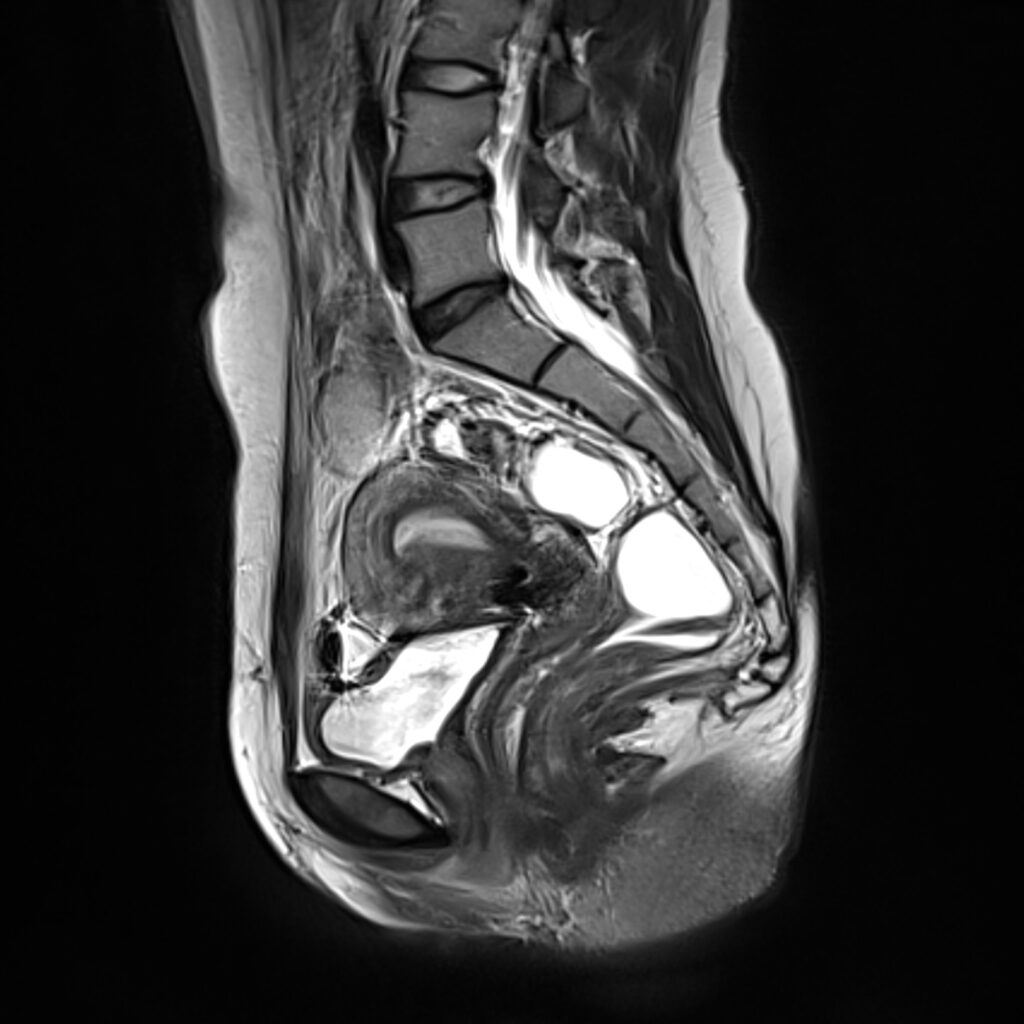
MRI of the rectum
MRI of the rectum are carried out mainly for the purpose of diagnosing tumors, inflammatory processes, as well as for the classification and assessment of the extent of spread of these pathologies. MRI is the only method of investigation that allows you to see and distinguish muscles, fascias of the pelvis and sphincters of the […]
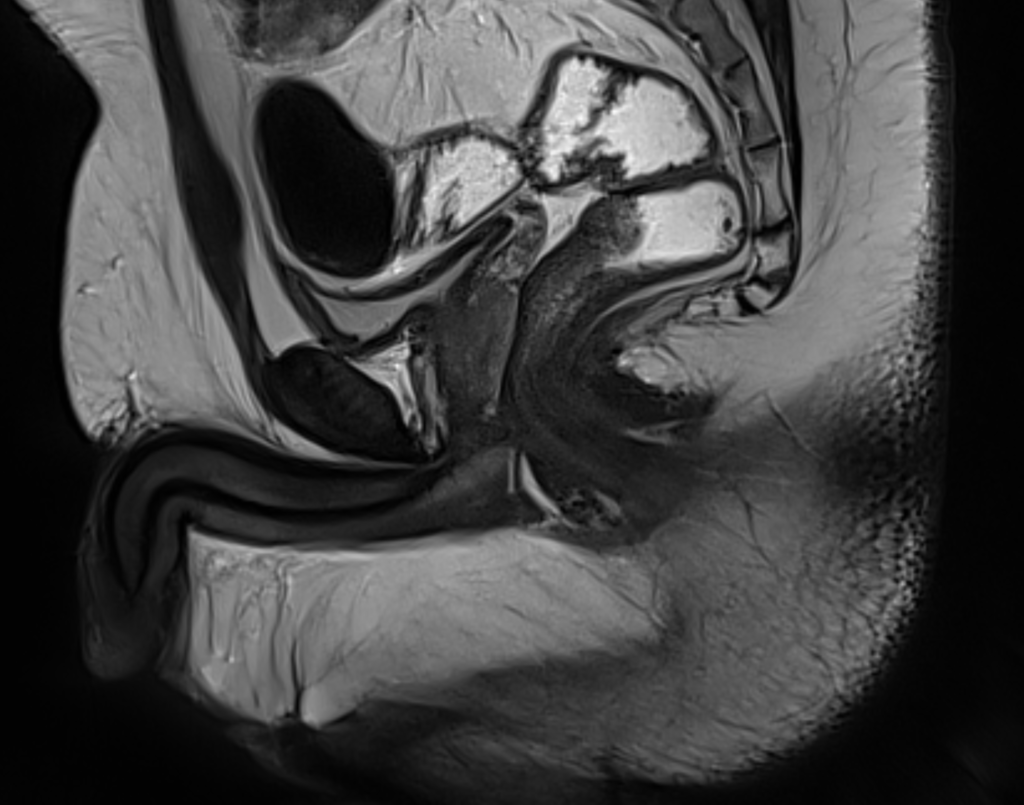
Magnetic resonance imaging of the external genital organs of men
This study is a non-invasive method that helps to identify tumor, inflammatory, congenital and post-traumatic pathologies of the penis and testicles. MRI indications: • Pathologies identified by sonographic or other methods requiring more thorough examination • pain during urinating, during or after sexual intercourse • inflammatory changes • deformities of the external genitalia
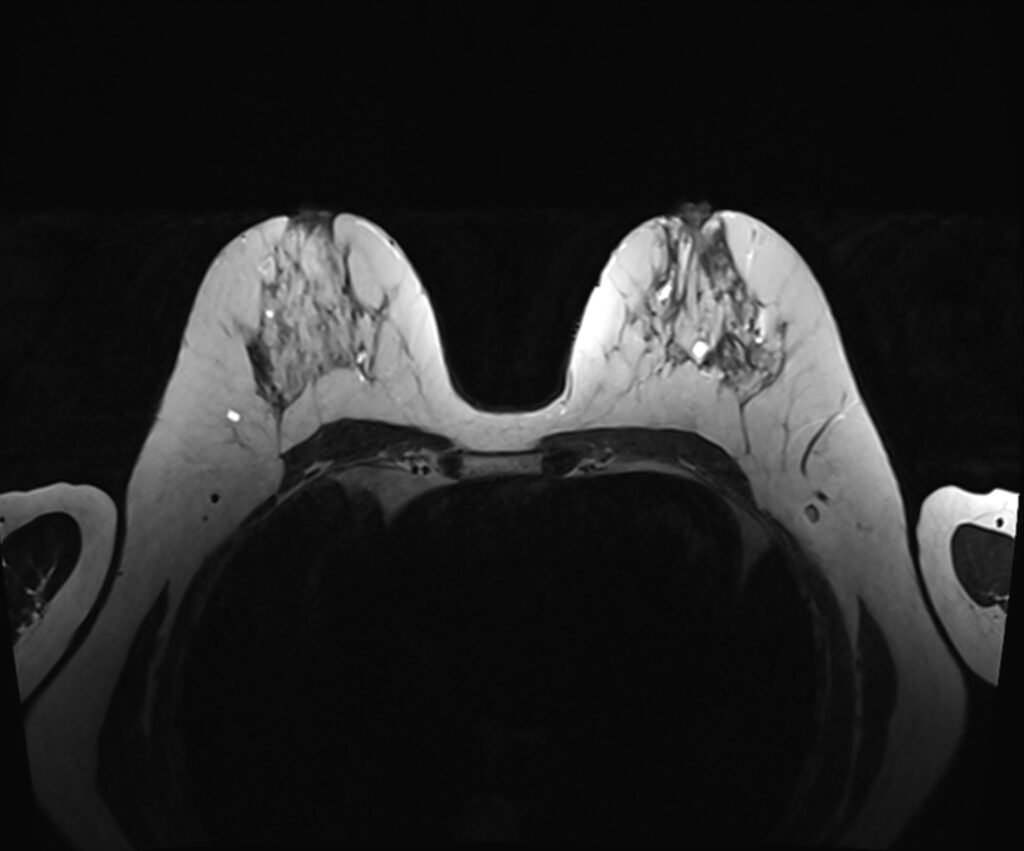
Breast MRI (MR Mammography)
MRI examination of the mammary glands is very informative in terms of characterizing implants and assessing their integrity, differentiation of tumor and inflammatory processes, as well as a detailed examination of the postoperative period. MRI indications: • pathologies identified by sonographic or mammographic methods that require more thorough examination. • breast asymmetry • suspected implant […]

Shoulder MRI
The shoulder joint is one of the most complex joints. The "golden" method of investigation of which is magnetic resonance imaging (MRI). MRI examination allows to detect pathologies such as accumulation of pathological fluid in the articular pockets, pathologies of the rotator cuff (complete or partial damage of muscle tendons), damage of articular cartilages and [...]

Magnetic resonance imaging of the elbow
MRI of the elbow is a harmless, non-invasive research method that allows to describe the bones, muscles, ligaments and tendons, to assess the amount of fluid in the joint cavity and surrounding tissues. This research method is often used for tumors, inflammation, differential diagnosis. MRI indications: • Pathologies identified by sonographic, x-ray or other methods […]
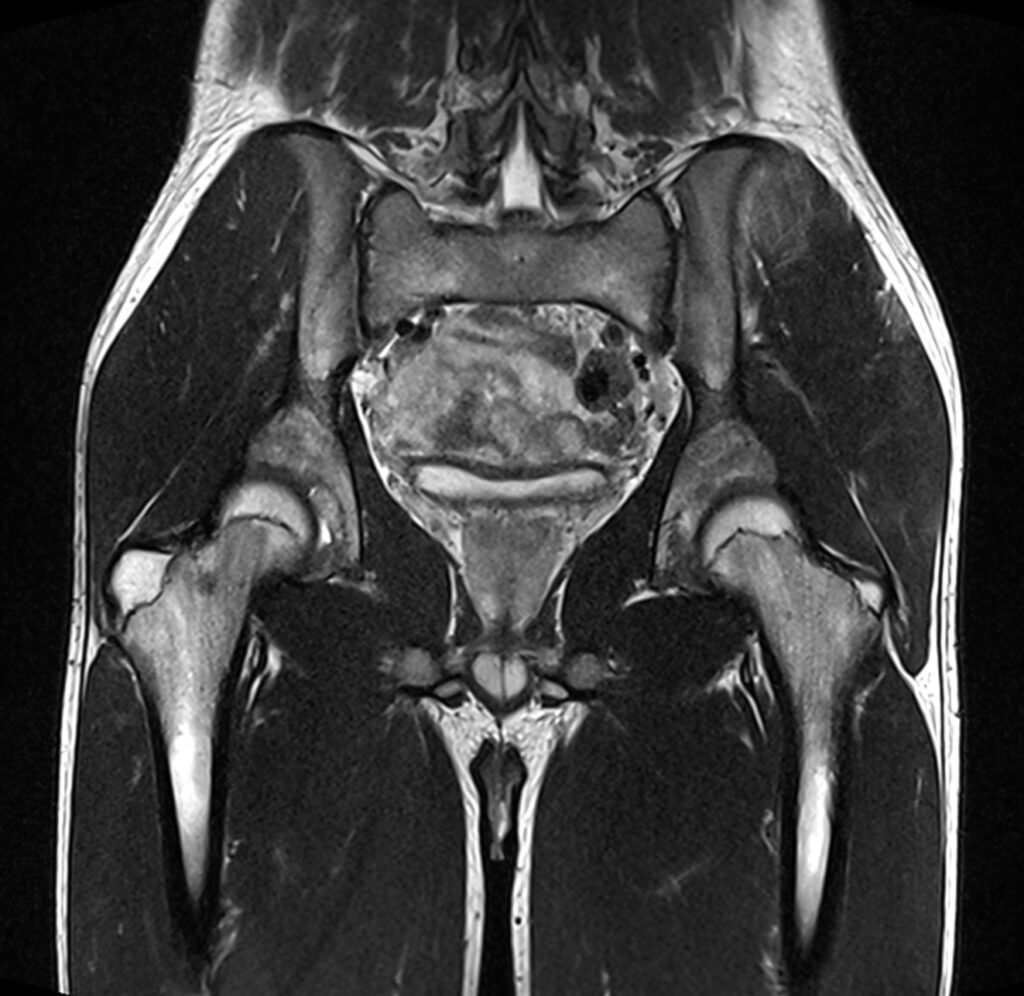
МRI of the hip joints
MRI study is one of the informative methods for hip joints examination, which makes it possible to characterize the bones, muscles, ligaments and tendons, to assess the amount and character of the fluid in the joint cavity and surrounding tissues. This method allows you to identify aseptic necrosis, arthrosis, rheumatic and infectious changes, congenital malformations, […]
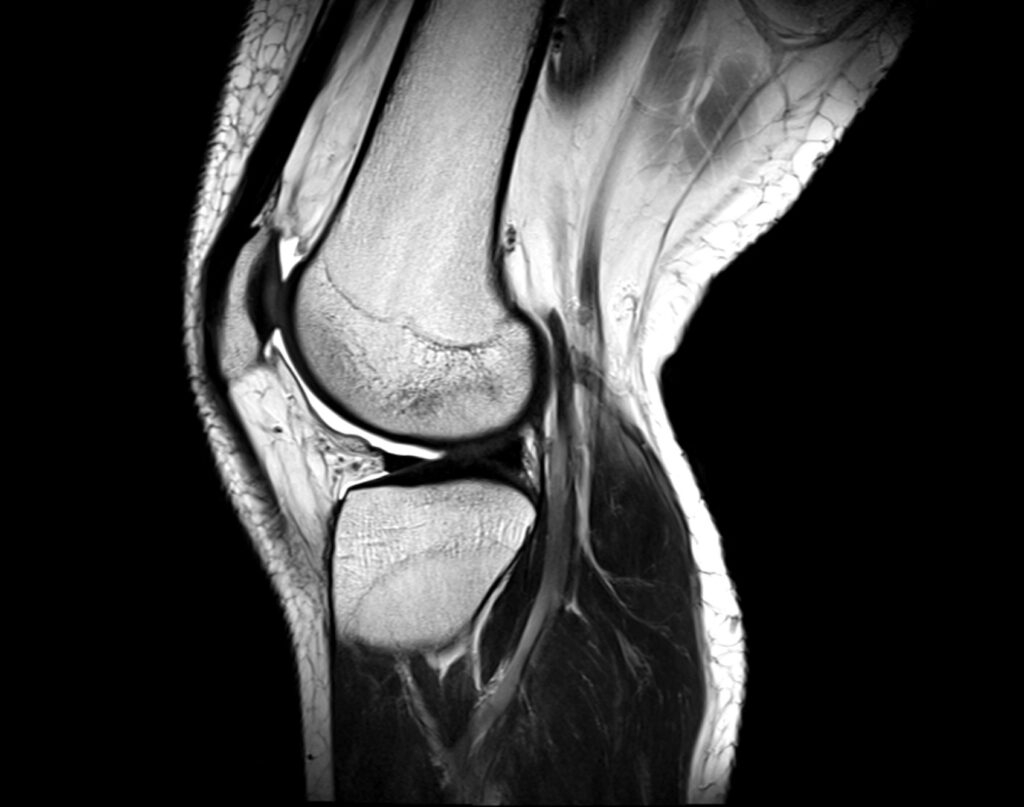
Knee MRI
MRI of the knee is a very informative examination method, which allows you accurately to see and distinguish muscles, tendons, ligaments, cartilage, and bones, as well as identify pathologies and assess the state of menisci, joint surfaces. MRI indications: • Knee pain • Swelling, redness • Restriction of movements • Injuries • Joint deformity, etc.
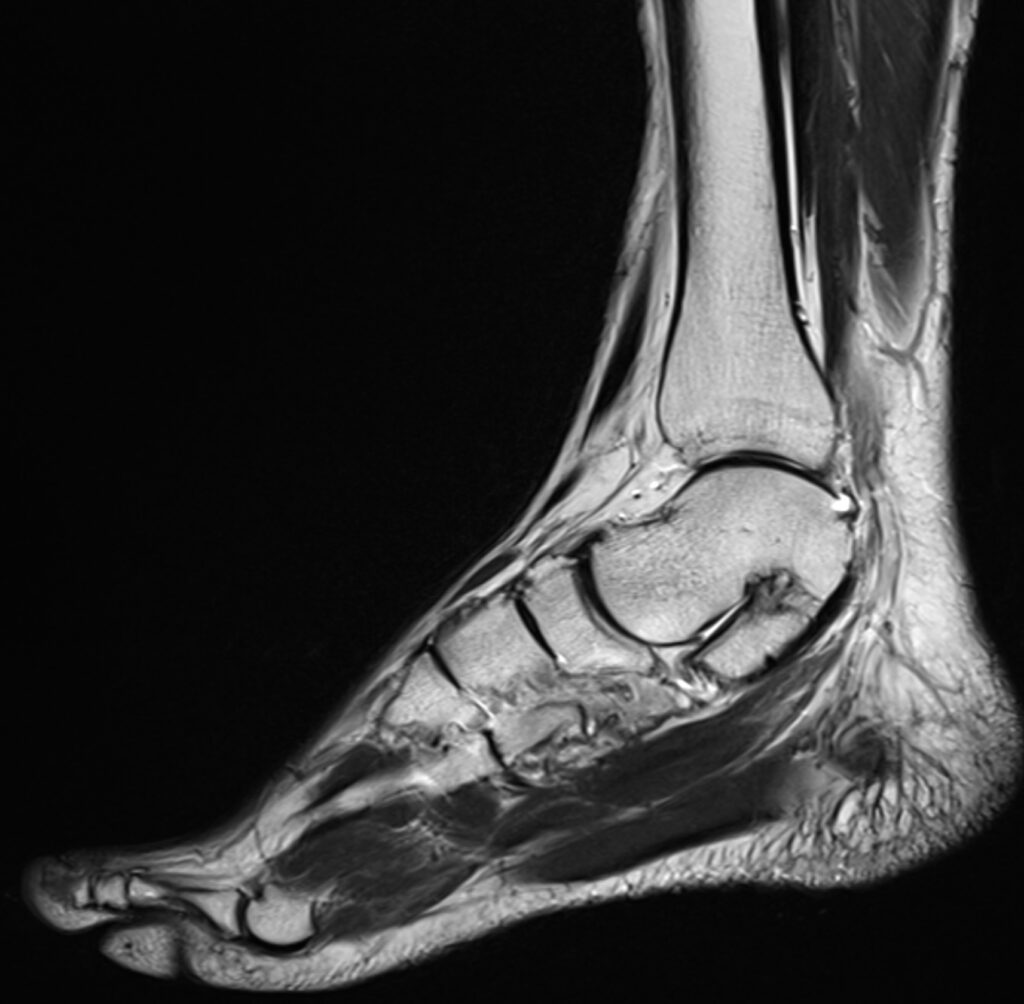
Magnetic resonance imaging of the ankle
MRI study of the ankle is a reliable method for detecting damage of the bones that make up the joint, and pathological changes in the articular cartilage, ligaments, tendons, and muscles. This method helps us to detect aseptic necrosis, rheumatic and infectious, age-related, tumor changes, etc. MRI indications: • pathologies identified by sonographic, radiological, or […]
МRI of the hip joints (Copy)
MRI study is one of the informative methods for hip joints examination, which makes it possible to characterize the bones, muscles, ligaments and tendons, to assess the amount and character of the fluid in the joint cavity and surrounding tissues. This method allows you to identify aseptic necrosis, arthrosis, rheumatic and infectious changes, congenital malformations, […]